Heel Pain Every Morning? How Acupuncture Can Help Plantar Fasciitis
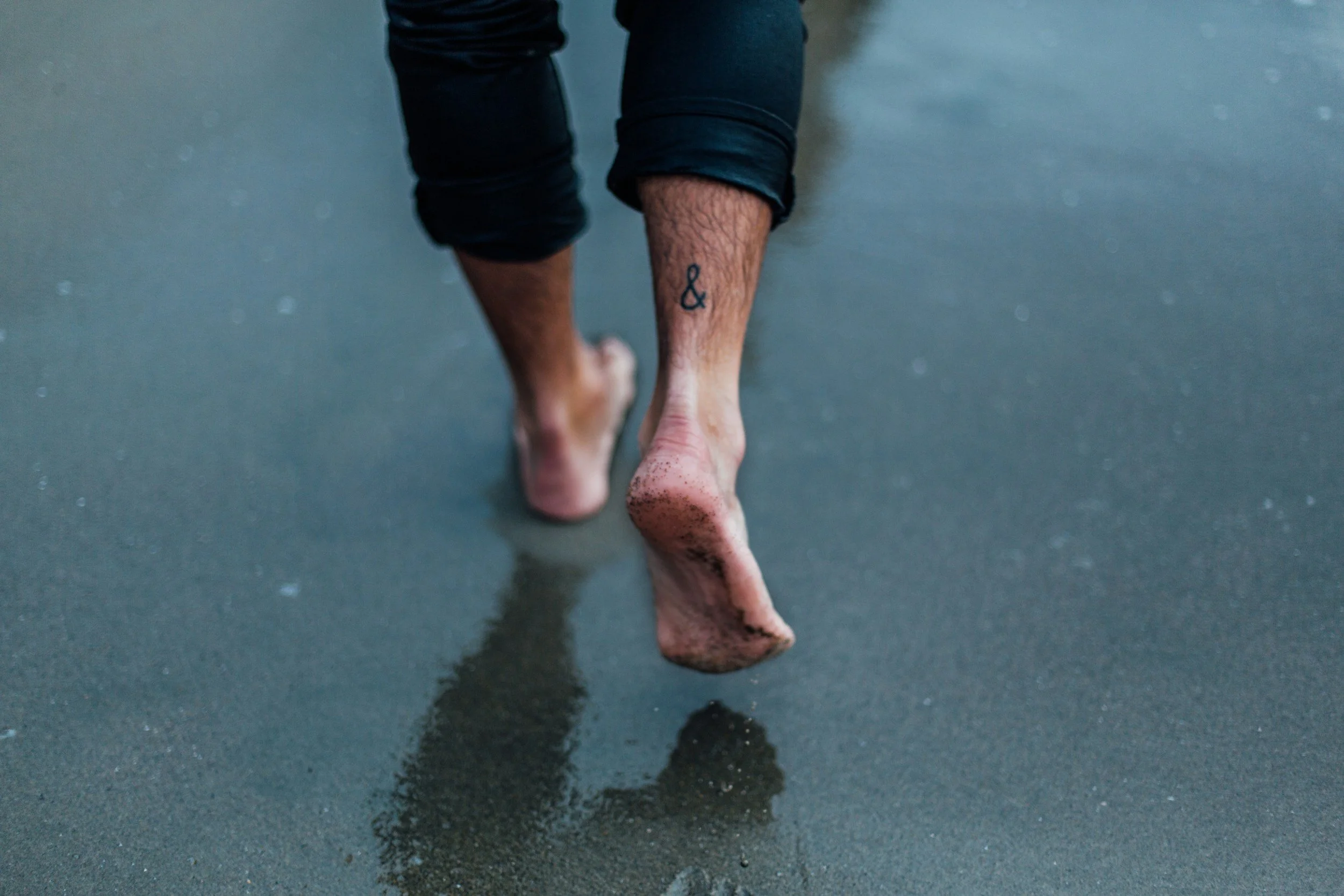
Plantar fasciitis affects how we walk — and how the rest of the body compensates.
If you feel sharp heel pain when you first step out of bed, you’re not imagining it — and it’s not something you should just push through. Plantar fasciitis is one of the most common causes of foot and heel pain, and it can make walking, standing, or exercising feel impossibly painful.
For some people, the pain eases as the day goes on. For others, it lingers or flares again after long periods on their feet. Either way, heel pain has a way of shaping your whole day.
At True Nature Wellness in Sebastopol, I work with people dealing with plantar fasciitis who are looking for a thoughtful approach that supports healing rather than forcing already irritated tissue.
You might recognize this pattern if your heel pain is worst first thing in the morning, eases a bit as you move around, and then flares again after standing or walking for longer stretches. For some people, it’s one heel. For others, it gradually starts to affect how they walk, exercise, or even how much they want to be on their feet at all.
Plantar fasciitis involves irritation of the thick band of tissue that runs along the bottom of the foot, connecting the heel to the toes. From a Western perspective, this often develops due to overuse, sudden increases in activity, poor foot support, or long periods of standing. Tight calves, limited ankle mobility, and compensation patterns up the leg can all contribute.
From a Chinese medicine perspective, heel pain reflects impaired circulation and strain along the channels that travel through the feet, calves, and lower leg. When tissues are overworked or under-supported, tension and inflammation tend to settle in the heel — especially when the body hasn’t had enough time or resources to recover.
One thing I see often with plantar fasciitis is that the heel isn’t actually the whole story. Tight calves, limited ankle movement, or compensation patterns higher up the leg can keep stressing the same tissue over and over again. When those patterns don’t change, the heel keeps taking the hit — even if you’re resting or stretching.
Acupuncture supports plantar fasciitis by helping calm inflammation, improve circulation, and reduce strain on irritated tissues. Treatment can help release tension in the foot and lower leg, improve blood flow to the heel, and support healthier movement patterns through the ankle, calf, and fascia. Just as importantly, acupuncture helps regulate the nervous system, which plays a role in how pain is processed and how tissues heal.
Heel pain rarely exists only in the foot. I look at how it connects to the whole system — including gait, footwear, workload, recovery time, and overall stress levels. Treatment may include acupuncture to the foot, ankle, and lower leg or hip and distal points to support circulation, as well as hands-on bodywork to release tight calves and fascia. Cupping or gua sha may be used when appropriate to improve tissue mobility.
In treatment, we’re not just chasing pain. We’re paying attention to how your foot, lower leg, and nervous system are responding, and adjusting as your body starts to settle. For some people, that means gradual relief over a few sessions. For others, it’s noticing that mornings aren’t as sharp, or that walking feels easier and more natural again.
Between sessions, small changes can support healing. Avoiding sudden increases in activity, wearing supportive footwear, gently mobilizing the calves and ankles, and giving irritated tissue time to settle can all help. Aggressive stretching or pushing through sharp pain often slows recovery rather than speeding it up.
If heel pain is worst in the morning, flares with walking, or has lingered despite rest, it’s often a sign that the tissue needs support — not more force. Acupuncture offers a way to work with the body’s healing process so movement can become more comfortable again.